
Best Ammo Deals Today: Grab Cheap Bulk Ammunition Before Prices Jump
Ammo deals are time-limited promotions where retailers offer discounted prices on firearm ammunition, typically applied directly at checkout or through coupon codes. These offers function by bundling bulk quantities, like 500-round cases, at per-round rates that are often 10–20% below standard retail. The primary value of ammo deals lies in enabling shooters to stock up on consistent lot numbers for accuracy, while reducing the per-shot cost of range practice or competition. To use them effectively, monitor a retailer’s deal page and compare the final shipped price per round against your usual baseline.
Where to Find the Best Discounted Cartridge Offers Right Now
For the hottest ammo deals right now, start with aggregator sites like AmmoSeek and Gun.deals—they scan dozens of retailers in real time, letting you sort by price per round and spot clearance sales instantly. Check big-box online stores like MidwayUSA and Brownells directly, since they often run flash discounts on bulk 9mm and .223 that don’t show up on third-party trackers for hours. Sign up for email alerts from Palmetto State Armory and Target Sports USA, because their best discounted cartridge offers drop without warning and sell out within minutes. Don’t sleep on rebate programs from manufacturers like Federal or Remington—stacking a mail-in rebate with a sale price can beat any listed deal. It’s worth paying a few extra bucks for free shipping thresholds, since that often eats away the “discount” anyway. Finally, grab bulk “open-box” or overrun lots on forums like Sniper’s Hide, where verified members unload quality rounds at close 9.3x72R Ammo for Sale to wholesale.
Comparing Online Retailers vs. Local Gun Shops for Price Per Round
When comparing online retailers vs. local gun shops for price per round, online bulk purchases typically win on raw cost, often shaving 10–20% off per cartridge before shipping. However, local shops eliminate transfer fees and shipping costs, which can erase that gap for single-box buys. For maximum savings on per-round pricing, always calculate the true landed cost: online price plus shipping plus any FFL transfer fee, then compare that to the local shelf price after tax. Local shops occasionally run loss-leader sales on popular calibers, so check their weekly flyers before ordering online.
- Online wins for cases (500+ rounds) where shipping is amortized; local wins for 50–100 round test boxes.
- Local shops often price-match online deals if you show them the cart total, but only on in-stock items.
- Watch for free-shipping thresholds online—they often drop specialty sports and supply per-round cost below local even with transfer fees.
- Local shops rarely charge hazmat fees, unlike online primers or powder, so compare only ammunition, not reloading components.
How to Spot Hidden Fees in Shipping and Handling Costs
When comparing ammo prices, the displayed per-round cost often masks the true total, so verify the final checkout total before committing. First, add items to your cart and proceed to the shipping calculator without entering payment details. Look for “handling fees” listed separately from postage—these often appear as fixed charges per order, not per weight. Check if the site charges a “hazmat surcharge” for primers or powder, which can add $20–$30; filter for free-hazmat thresholds. Compare shipping across multiple quantities: a single box may cost $15, while five boxes ship for the same price, reducing per-unit impact. Always recalculate shipping after changing quantities, as some systems auto-upgrade to expedited services without asking. Finally, scan the fine print for restocking fees if returns are needed, as those are hidden until you attempt a refund.
Using Ammo Search Engines to Aggregate Current Promotions
Dedicated ammo search engines streamline the hunt for discounts by crawling dozens of online retailers simultaneously. Instead of visiting individual stores, you can input your specific cartridge caliber—like 9mm or .223 Remington—and instantly view aggregated price-per-round results. These platforms often highlight active coupon codes and free-shipping thresholds directly on their comparison lists, saving you from digging through checkout pages. For the best results, filter by “in-stock” status and sort by final cost after shipping. This approach transforms scattered promotions into a single, actionable snapshot.
- Filter by price-per-round to compare bulk vs. box purchases accurately.
- Enable alerts for specific calibers to catch flash sales immediately.
- Cross-check the engine’s listed shipping fees against the retailer’s actual rates before ordering.
How to Evaluate a Bulk Ammo Purchase Before You Click Buy
Before you click buy on any bulk ammo deal, calculate the **true cost per round**—divide the total price, including shipping and any tax, by the exact round count; a “great” price often evaporates when the seller tacks on heavy freight. Verify the lot number and manufacturing date in the product description; old stock or mixed headstamps in a supposedly new bulk box can cause reliability issues. Cross-check the advertised price against two or three other major retailers for the same brand and grain weight to ensure the “deal” isn’t inflated from a higher baseline. Finally, confirm the return policy for damaged or defective rounds—ammo is final sale at most shops, so a brick with corroded primers becomes a total loss.
If the per-round cost with shipping isn’t at least 15% below your usual range-buy price, it’s not a bulk deal—it’s just a large order.
Only pull the trigger when the math, lot transparency, and logistics all align.
Calculating True Cost Per Round Including Taxes and Delivery
The sticker price per box is a trap; the true cost per round only appears after you calculate shipping, taxes, and any handling fees. Start by multiplying the case price by your state’s sales tax rate, then divide that sum by the total round count. Next, add the delivery charge—but split it across all boxes you buy, not just one. Finally, compare this adjusted figure against your local store’s shelf price after their tax. Always simulate the checkout to see the final total before committing. Follow this sequence:
- Add product subtotal and tax.
- Divide by total rounds for base cost.
- Add per-round shipping and any surcharges.
- Compare to local after-tax price per round.
Checking Manufacturer Rebates and Mail-In Promo Codes
Before you click buy, verify the manufacturer rebate eligibility directly on the brand’s official page, not the retailer’s banner. Rebate forms often require a specific SKU, a purchase date window, and a valid UPC cut from the box—so save the physical carton until the check clears. Mail-in promo codes, meanwhile, are often stackable with site-wide sales, but they expire quickly and may exclude discounted bulk cases. Photograph your receipt and the serial number immediately, then submit the claim within 48 hours to avoid missing deadlines. Follow up with the rebate center after four weeks, as silent delays are common.
- Confirm the exact ammo brand and caliber qualifies for the rebate before checkout.
- Combine a mail-in promo code with a bulk-case discount for maximum per-round savings.
- Keep the original shipping box and UPC sticker intact until the rebate is processed.
- Use a dedicated email address to track submission confirmations and status updates.
Verifying Lot Numbers and Manufacturing Dates for Freshness
Before you click buy on bulk ammo, confirm the manufacturing date and lot number to avoid degraded propellant and primers. Ask the seller for the lot’s production date—most factory boxes stamp a four-digit year code or a lot serial that decodes to a specific month. If the ammo is older than three years, check for corrosion, tarnishing, or loose bullet tension. Sealed military-grade packaging can still hide moisture damage, so verify the lot’s storage history when possible. For a clear sequence:
- Request the lot number and date stamp from the retailer or manufacturer.
- Decode the date using the brand’s reference chart (e.g., Remington’s lot code system).
- Reject lots older than 5–7 years unless the seller provides temperature-controlled storage logs.
Key Features That Make a Firearm Cartridge Sale Worth Your Money
A truly worthwhile ammo deal hinges on more than just a low price per box—it’s about **consistency and functional value**. The best sales offer *new-production* ammunition from reputable manufacturers, not dubious remanufactured lots that risk feed failures. Scrutinize the round count per case: a deal that drops the cost-per-round by 15% only to short you on primers is a hidden loss. Look for **sealed primers and waterproofed case mouths**, especially if you stockpile for defense or field use. A genuine bargain includes **lot-number traceability** and a realistic shelf life, ensuring your investment performs years later.
Never chase a deal that sacrifices velocity consistency for a few cents—your zero depends on it.
Finally, free shipping or a bulk discount on matching headstamp brass adds real, reloadable value, turning a simple purchase into long-term savings.
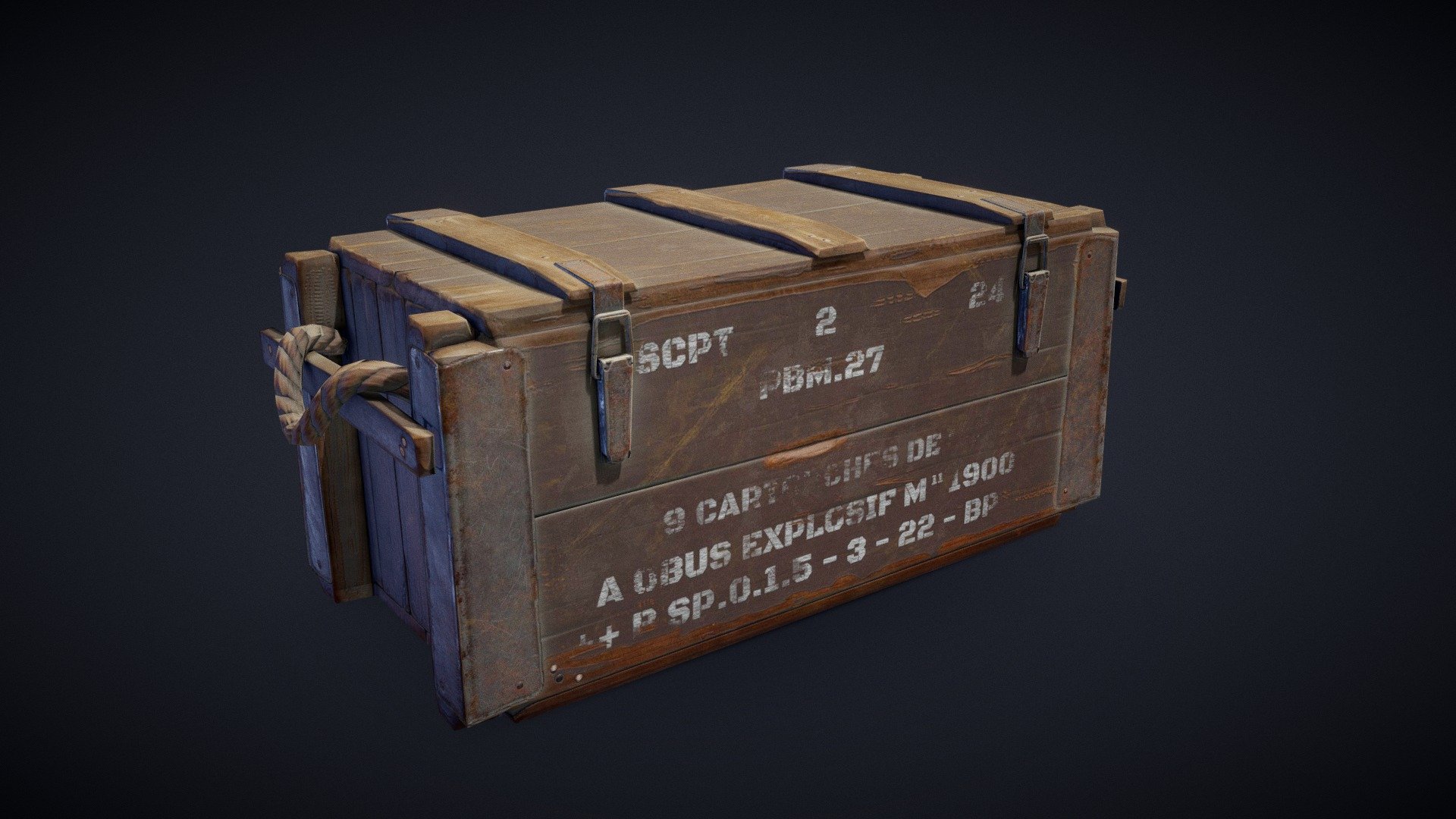
Steel Case vs. Brass Case: Which Discounted Option Saves More Long-Term
When you spot a deep discount on ammo, the steel vs. brass choice is .50 Cal Ammo for Sale where the real savings multiply. Steel case ammo saves more upfront, often 10–20% cheaper per box, but it’s not a pure win for your wallet. Steel cases can’t be reloaded, so you’re throwing away that “free” brass value every time you shoot. Brass costs more initially, but you can resell or reload it to offset the price over hundreds of rounds. For long-term budget, here’s the breakdown:
- If you shoot rarely (under 500 rounds/year), steel’s upfront discount wins—no reloading setup needed.
- If you shoot regularly, brass’s resale value (about $0.03–0.05 per case) erases steel’s 9.3x62mm Mauser Ammo for Sale savings after just a few batches.
- For 7mm Rem Mag Ammo for Sale extreme volume, buy brass on steep sales, shoot it, then sell the spent cases to fund your next ammo purchase.

So the “cheaper” option depends on how much you shoot—not just the sticker price. A steel deal looks great, but brass recycles your money back into your next range trip.
Understanding Grain Weight and Bullet Type in Markdown Inventory
When scanning markdown inventory, understanding grain weight and bullet type separates a true bargain from a wasted purchase. A lighter grain (like 55gr) delivers flat trajectories for varmint shooting, while heavier options (62gr–77gr) punch deeper and resist wind drift—critical for defensive or long-range use. Bullet type matters equally: full metal jacket offers cost-effective practice, but hollow points or bonded soft points retain weight and expand reliably on game. Before buying discounted ammo, match grain and construction to your firearm’s twist rate and intended purpose, not just the price tag.
- Check twist rate compatibility before committing to heavy-grain surplus deals.
- Compare original MSRP vs. markdown 7mm Rem Ultra Mag Ammo for Sale price per round for the same bullet type.
- Prioritize bonded or partitioned bullets if the discount applies to hunting loads.
When to Choose Remanufactured Ammo Over New Factory Loads

Choosing remanufactured ammo over new factory loads is a strategic decision when your primary goal is maximizing savings on high-volume range training. Opt for it when you’re burning through several hundred rounds per session and accuracy expectations are moderate—typically inside 25 yards for pistol or 100 yards for rifle. Select new factory loads when you need consistent pressure for competition scores, defensive carry reliability, or when testing a newly built firearm’s function. For remanufactured ammo to make sense, verify the cases are inspected and resized, primers are fresh, and powder charges are metered, not scooped. A logical sequence: check your firearm’s tolerances, confirm the reman’s velocity matches your zero, then run a 50-round function test before bulk purchasing. Avoid reman for hunting, backup duty, or any scenario where a misfire risks your safety or outcome.
Smart Timing Strategies to Catch the Lowest Prices on Rounds
To catch the lowest prices on rounds, treat ammo deals like seasonal inventory—buy during post-holiday lulls and mid-summer dips, when retailers clear overstock to make room for new calibers. Set price alerts on aggregator sites and monitor daily flash sales, but never purchase during panic spikes; wait for a 72-hour price drop after major gun-show weekends, as vendors slash margins to move bulk pallets. The smartest window is Tuesday through Thursday, when stores quietly refresh listings before weekend traffic. Q: When should I buy to maximize savings? A: Target late January and early August, when demand cools and rebate promotions stack with already-discounted bulk orders. Pair these timing moves with email-list exclusives, but only act when the per-round cost dips below your preset trigger—patience beats impulse every time.
Seasonal Clearance Cycles and Holiday Weekend Sale Patterns
Timing your ammo purchases around seasonal clearance cycles and holiday weekend sale patterns requires a calendar-based approach. Retailers typically clear out overstocked calibers in late winter (January–February) to reset inventory for spring hunting lines, and again in late summer before fall demand spikes. Holiday weekends—Memorial Day, Independence Day, Labor Day, and Black Friday—trigger aggressive per-case discounts, often paired with free shipping thresholds that lower your effective cost per round. Stack these events by monitoring weekly flyers two weeks prior, as price drops are usually staggered rather than immediate.
- Track post-holiday Tuesday markdowns, since unsold weekend stock often gets repriced midweek.
- Target end-of-quarter clearance (March, June, September) for deeper cuts on slow-moving bullet weights.
- Combine holiday weekend coupons with existing bulk-buy tier pricing for maximum per-round savings.
Setting Price Alerts for Specific Calibers on Deal Tracker Sites
Most deal trackers let you skip the 9mm Ammo for Sale noise by targeting only the exact rounds you actually shoot. Instead of scrolling every daily email, set a caliber-specific price alert for, say, 5.56 NATO or 9mm Luger, with a threshold like $0.40 per round. You’ll get pinged the moment a vendor dips below that mark — even if the sale lasts just hours. Adjust the alert threshold monthly, because what felt low last quarter may now be average. This turns a passive hunt into a surgical strike: you react instantly, grab the deal, and avoid impulse buys on calibers you don’t own. Pair alerts with in-stock notifications to beat the rush on fast-moving SKUs.
Setting caliber-specific price alerts on deal trackers means you only act when your exact round hits your target price — no wasted time, no missed flash sales.
Using Backorder Pre-Orders to Lock In Low Rates Before Spikes
Backorder pre-orders are your secret weapon for dodging panic-buy price hikes. When you spot a round like 9mm or .223 sitting at a low rate, place a backorder even if it’s out of stock—you’ll lock in that price before suppliers adjust to demand spikes. Retailers typically honor the quoted cost when your order ships, so you’re shielded from the inevitable surge that follows shortages. *Check the estimated restock window to ensure you can wait without needing ammo urgently.* Use this tactic mid-cycle, not during active panic, when prices are already inflated and backlogs stretch for months. Locking in ammo prices before spikes works best with high-volume calibers you shoot regularly, since partial shipments keep your wallet safe and your stash growing.
Backorder pre-orders let you secure today’s low ammo rates even when out of stock, protecting you from future price spikes.
Common Pitfalls to Avoid When Hunting for Bargain-Priced Ammunition
When chasing ammo deals, the biggest trap is fixating on price per round while ignoring the lot number and manufacturing date; old stock or remanufactured rounds can cause malfunctions and pressure spikes, costing more in gun repairs 9×18 Makarov Ammo for Sale than you saved. Another common pitfall is skipping the fine print on shipping and hazmat fees, which can quietly erase a “bargain” by adding $30–$50 to your total. Also, never buy corrosive-primed surplus without confirming your firearm’s compatibility and your cleaning routine, since rust damage is permanent. Finally, resist bulk purchases of unknown brands just because the price is low; a squib load or broken extractor ruins your range day and your wallet. Verify case dimensions and bullet weight against your barrel twist before checkout.
Recognizing Too-Good-To-Be-True Deals That Signal Counterfeit Stock
When bargain-hunting for ammo, a price so low it feels like a steal is usually a red flag for counterfeit ammunition stock. If a box of premium defensive rounds sells for half the going rate, ask why—counterfeiters rely on that exact temptation. Check the packaging for blurry print, inconsistent sealant, or missing lot numbers, and compare the primer crimp to a known genuine box. Also, be wary of sellers demanding crypto or wire transfers only; that’s a hallmark of fake inventory. If the deal screams “too good,” it’s likely stolen or reloaded junk that could damage your firearm.
Matching Your Firearm’s Pressure Rating to the Discounted Load
A bargain-priced load is only a deal if it operates within your firearm’s certified pressure rating. Ignore this match, and you risk severe mechanical stress or catastrophic failure, especially with older or surplus rifles chambered for lower-pressure cartridges. When you spot discounted ammunition, first verify the round’s pressure specification against your owner’s Ammunition for Sale manual, not just the caliber stamp. A hot “+P” or European CIP-rated load may be cheap, but it can exceed the safe limits of a firearm designed for standard SAAMI pressures. Conversely, a weak load will fail to cycle reliably. Prioritize pressure-rated ammunition compatibility before letting a discount dictate your purchase, ensuring your bargain performs safely without compromising your rifle’s integrity.
Return Policies and Restocking Fees on Clearance-Sticker Boxes
Clearance-sticker boxes of ammunition are typically marked “final sale,” meaning the retailer’s standard return window is void. Before checkout, confirm whether a restocking fee applies—often 10–20%—if you refuse the order or find a defect after opening. Because the seal is compromised for inspection, most vendors refuse any return, so verify headstamp and lot numbers visually before paying. Restocking fees on clearance ammunition can erase your per-round savings, especially if you miscalculate caliber compatibility. Ask for a written policy snippet or screenshot, as verbal promises are rarely honored. If the box is visibly damaged or the seal is cracked, assume the purchase is permanent 6mm Remington Ammo for Sale and non-refundable.
- Ask if the clearance price is contingent on waiving all return rights.
- Request the exact restocking fee percentage before entering payment details.
- Confirm whether unopened, defect-free boxes are eligible for store credit instead of cash.