
The Best eSIM for Travel in 2025 That Actually Works Everywhere
The best eSIM for travel is a digital SIM card you install before departure, eliminating physical swaps and coverage worries. This technology connects you to local networks instantly upon arrival, offering affordable data without roaming fees. You purchase a plan online, scan a QR code, and activate it seamlessly, letting you focus on your journey instead of connectivity hassles. This gives you reliable access to maps and messaging anywhere you go, bringing peace of mind to every trip.
Why Switch to a Digital SIM for International Trips
Switching to a digital SIM for your next trip is a game-changer because you activate coverage before you leave, avoiding airport kiosk chaos and price-gouging. The best eSIM for travel lets you land and instantly connect, skipping the hunt for a local plastic SIM or risky public Wi-Fi. You keep your home number active for two-factor authentication while running a cheap data plan alongside it.
No more fumbling with SIM trays or paying $15 for a single gigabyte at a tourist shop.
For frequent flyers, the best options offer multi-country regional passes, so you aren’t buying a new eSIM at every border. It’s purely about convenience, cost control, and staying connected the moment your plane touches down.
The Downsides of Physical Roaming Cards
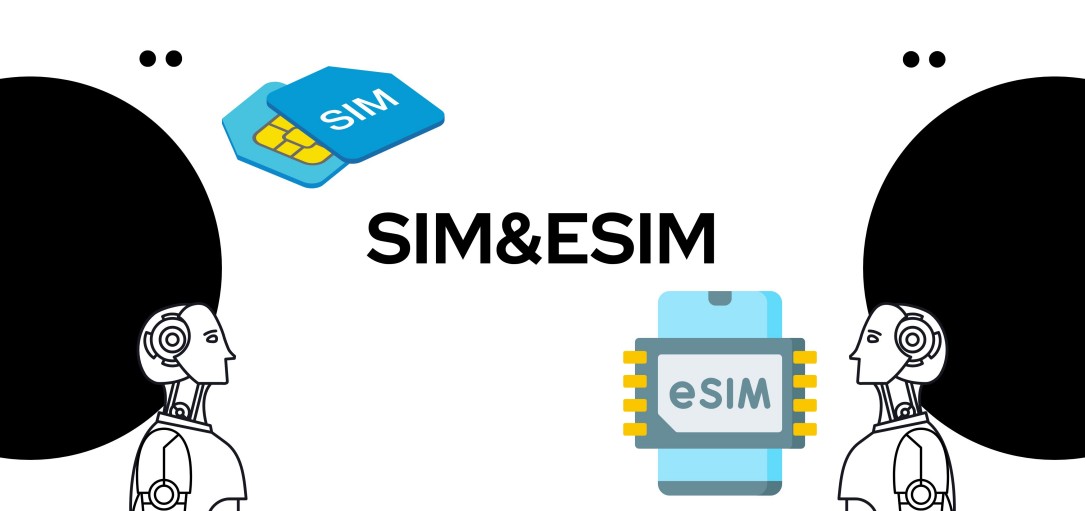
Physical roaming cards saddle travelers with instant connectivity hurdles, requiring a frantic search for a local store after arrival. They frequently lock users into a single country’s network, forcing a purchase and card swap for each border crossed. The tiny SIM tray is a fumbling frustration, and losing the card renders your expensive data plan useless. Coverage can be spotty even within a single region due to restrictive partner agreements. These old-school cards often expire before a trip ends, leaving you with dead data and zero flexibility.
How eSIM Technology Simplifies Connectivity Abroad
For international travel, eSIM technology eliminates the need to source and swap physical SIM cards upon arrival. You can purchase and activate a local or regional data plan from a provider like Airalo before departure, ensuring instant connectivity as you land. This bypasses airport kiosk queues and the risk of losing your primary SIM. Managing plans for multiple countries becomes seamless; you switch profiles or top up directly from your phone’s settings, avoiding roaming charges entirely. The result is a single, digital solution that keeps you online across borders without hardware hassles.
eSIM technology simplifies connectivity abroad by allowing pre-trip activation, multi-country management, and instant network switching from your device, eliminating physical SIM swaps and roaming fees.
Top Factors to Compare When Picking a Travel eSIM
When comparing travel eSIMs for the best travel experience, prioritize coverage breadth and network reliability in your destination, as a single provider may not partner with local carriers everywhere. Scrutinize the data allowance versus cost, noting whether plans offer high-speed caps or throttled speeds after a limit. Evaluate plan flexibility: pay-as-you-go can beat rigid packages for varied trip lengths. Activation ease, including top-up options via an app without needing a new QR code, is crucial.
Always check if voice/SMS are included or if data-only suffices, and confirm visitor pricing locks in your currency to avoid surprise fees.
Finally, compare multi-country vs. single-country plans; a regional eSIM often saves money for multi-stop itineraries.
Coverage Maps vs. Network Partners: What Actually Matters
When evaluating the best eSIM for travel, coverage maps often look impressive but can be misleading. What actually matters is the list of network partners behind that coverage. A map might show a whole country shaded in, but if the eSIM only connects to a single, weaker local carrier, you’ll experience slow data in rural areas. Prioritizing network partners—especially those utilizing multiple major operators in your destination—ensures real-world redundancy. A provider with three strong local partners will outperform one with a painted map and a single, congested network. Always verify which specific networks an eSIM roams on, not just the map’s borders.
Data Allowances, Speed Caps, and Fair Usage Policies

When comparing travel eSIMs, don’t just look at total gigabytes—dig into fair usage policy limits that can silently throttle your speed after a soft cap. Many plans advertise 10GB but then drop you to 128kbps after 3GB of heavy streaming. Always check if the speed cap is permanent or resets daily. A large data allowance means little if video buffers after a few YouTube clips.

Q: Why do some eSIMs cap speeds even with data remaining? A: Providers impose speed caps to prevent abuse—like tethering 4K video—so your fair usage policy kicks in after a set threshold, ensuring stable connections for everyone.
Activation Ease: QR Codes, Apps, and Installation Steps
The best travel eSIMs prioritize **seamless eSIM activation** through instant QR codes or user-friendly apps. Top providers like Airalo or Holafly deliver your QR code via email, letting you scan and activate in under a minute before departure. Others, such as Ubigi, bundle installation directly into their app, automating APN settings to prevent manual errors. Avoid brands requiring complex profile downloads or temporary physical SIM removal. The ideal option installs your eSIM with two taps—no hotel Wi-Fi struggles or airport booth queues. Always test the activation steps before your trip to confirm compatibility, ensuring you connect the moment you land.
Leading eSIM Providers for Global Roaming
When I land in a new country, fumbling for a local SIM is the last thing I want to do, which is why leading eSIM providers for global roaming have become my travel lifeline. Airalo stands out for its sheer coverage, letting me grab data plans for over 190 countries straight from the app, perfect for multi-destination trips. For frequent travelers juggling multiple regions, Holafly offers unlimited data packages that keep me connected without worrying about running out. Meanwhile, Nomad eSIM shines with its pay-as-you-go flexibility, allowing me to top up small data bundles as needed. The real winner is Airalo’s regional plans, which automatically activate upon arrival, eliminating any setup stress. These providers cut the hassle of physical SIMs, offering instant, reliable connectivity wherever my itinerary takes me.

Airalo: Strengths and Weaknesses for Short-Term Travelers
For short-term travelers, Airalo’s primary strength is its budget-friendly local eSIMs, offering affordable, immediate data activation without physical SIM swaps. Its intuitive app simplifies purchasing for brief trips. However, a notable weakness is inconsistent data speeds and occasional connectivity drops, as Airalo relies on third-party networks that may deprioritize traffic. Additionally, voice and SMS options are limited or absent, restricting communication for users needing calls. Short-term travelers should thus prioritize Airalo for data-only needs in well-covered regions, but expect potential latency during peak usage.
Airalo excels for short-term travelers with low-cost, easy-to-activate data-only plans, but suffers from variable network speeds and no voice/SMS support, making it best for data-centric, urban trips.
Holafly: Unlimited Data Plans and Regional Coverage
Holafly distinguishes itself among leading eSIM providers by offering truly unlimited data plans for travelers, eliminating the need to track usage or top up. Its regional coverage is a key practical advantage, with specific eSIMs covering entire zones like Europe, Asia, or the Americas under a single plan, avoiding per-country purchases. However, these plans are data-only, so voice calls and SMS are not included, requiring reliance on VoIP apps. For users prioritizing constant connectivity without caps, this structure is highly efficient but demands a digital communication strategy.
- Unlimited high-speed data with no throttling after a set cap, available in daily or monthly tiers.
- Regional eSIMs (e.g., “Europe 33 Countries”) provide seamless coverage across multiple nations with one activation.
- Plans are data-only; no native voice or SMS functionality is included.
- Coverage relies on local partner networks, ensuring strong speeds in urban and tourist areas.
Nomad eSIM: Pay-As-You-Go Options and Multi-Country Passes
Nomad eSIM gives travelers total flexibility through its best esim for travel pay-as-you-go options and multi-country passes. You can top up individual country data packs in small increments, avoiding waste by paying only for what you use. For multi-stop trips, their regional passes cover dozens of countries on a single, affordable plan, meaning no switching SIMs at borders. These passes offer high-speed data that activates the moment you land. This combination of granular control and broad coverage makes Nomad ideal for both short city hops and extended cross-continent journeys.
- Top up individual country Japan eSIM data packs in small, custom amounts.
- Regional multi-country passes cover 30+ countries on one plan.
- High-speed data activates automatically upon arrival in a new country.
- No expiry on unused pay-as-you-go credit for future trips.
Ubigi: High-Speed Tiers and Japan-Specific Performance
For travelers needing reliable connectivity in Japan, Ubigi stands out with its clearly defined high-speed tiers. Their Japan-specific plans offer genuine 4G/LTE performance, often outperforming local pocket Wi-Fi for consistent speeds in cities like Tokyo and Osaka. You choose between a lighter data cap for quick trips or a premium tier with ample high-speed allowance, ensuring you avoid frustrating throttling during map navigation or video calls. Ubigi’s Japan-specific performance is notably smooth on the NTT Docomo network, providing excellent coverage in subways and rural areas.
- High-speed tiers range from 1GB to 10GB for Japan, with clear data allowances.
- Connects to Japan’s fastest local network (NTT Docomo) for reliable speeds.
- Performance remains strong in dense urban zones and during train travel.
- Data resets easily via the app if you need to upgrade to a higher speed tier mid-trip.
Google Fi: A Dual Sim Approach for Frequent Jet-Setters
Google Fi’s dual SIM approach for frequent jet-setters leverages its “Design Your Plan” flexibility. Install the physical SIM for your home number, then activate the eSIM for data. In supported countries, you automatically switch between T-Mobile, Three, and local partners. The sequence for setup:
- Insert the physical SIM with your US number.
- Download the Google Fi app and activate the eSIM as a secondary line.
- Set the eSIM as default for mobile data and enable “Backup calling” for seamless fallback.
This dual-SIM configuration ensures your home number stays reachable via Wi-Fi while the eSIM taps into 200+ destinations at $10/GB (data-only SIMs free). No manual carrier swapping needed mid-trip.
Regional Recommendations by Destination
For travel in Asia, regional eSIMs like Asia Explorer plans offer seamless coverage across Hong Kong, Singapore, and Thailand, while dedicated Japan or South Korea eSIMs prioritize local network speeds for apps like Google Maps and Line. In Europe, a multi-country Europe eSIM is ideal for hopscotching between France, Italy, and Spain, but a single-country UK eSIM packs better deals for London-centric trips. North America demands a robust USA and Canada eSIM that juggles T-Mobile and Rogers towers, whereas Mexico benefits from a Latin America regional plan. The Middle East shines with an UAE or Saudi Arabia eSIM for high-speed data, though Oceania-specific plans, like an Australia-New Zealand combo eSIM, often bundle free local calling for better navigation offline.
eSIM Solutions for Europe: Schengen Zone and Multi-Country Passes
For seamless connectivity across Europe, eSIM Solutions for Europe: Schengen Zone and Multi-Country Passes eliminate the hassle of swapping SIMs at each border. These passes grant instant coverage across multiple Schengen nations from a single profile, so you can hop from France to Germany without a hitch. Many providers offer tiered data pools (e.g., 5GB for 10 days) covering 30+ countries, perfect for multi-destination itineraries. Activation is instant upon landing, and you keep your home number active.
- One click activates coverage across all Schengen states simultaneously
- Most passes include EU roaming, matching local speeds per country
- Top providers allow top-ups if your data runs out mid-trip
Asia Travel: Best eSIMs for Japan, South Korea, and Thailand
For seamless connectivity across Japan, South Korea, and Thailand, the best eSIM for travel Asia varies by destination-specific needs. In Japan, Ubigi or Airalo offer reliable 4G/5G data through NTT Docomo and SoftBank networks, ideal for navigating Tokyo’s subways. South Korea demands high-speed plans from SK Telecom via providers like Nomad eSIM, crucial for streaming on KTX trains. Thailand benefits from local operator AIS’s tourist eSIMs, providing robust coverage in Phuket’s islands and Bangkok’s markets. Prioritize multi-country Asia-region plans from Holafly to avoid re-installation when crossing borders.
Americas Coverage: From Canada to Patagonia
For the broadest Americas Coverage: From Canada to Patagonia, prioritize plans that bundle multiple countries under a single regional data pool, bypassing per-nation top-ups. This avoids connectivity gaps when crossing borders from the Yukon into Chile. Look for carriers leveraging local networks like Telcel or Claro for deep urban and rural reach. A single regional eSIM often provides better value than stacking individual local plans for a multi-destination trip through the Americas.
- Ensure the plan specifies full Mexico and Brazil coverage, not just tourist hubs.
- Verify if Patagonian regions (southern Chile/Argentina) are included, as some plans exclude these remote areas.
- Check if the eSIM allows tethering in all listed countries, a common limitation in Latin American plans.
Oceania and Remote Islands: eSIM Options for Australia, New Zealand, and Fiji
For Oceania and remote islands, including Australia, New Zealand, and Fiji, travelers should prioritize eSIMs offering robust coverage across vast distances and island networks. Regional eSIM plans for Australia, New Zealand, and Fiji often bundle data for all three, avoiding separate purchases. In Australia, look for plans using Telstra or Optus for outback and coastal coverage. New Zealand eSIMs typically rely on Spark or Vodafone for reliable connectivity across both islands. For Fiji, ensure your eSIM partners with Vodafone Fiji for strong coverage on the main islands and popular resort areas. Confirm the plan includes data sharing if you are bringing multiple devices.
| Destination | Primary Network Partners | Key Coverage Note |
|---|---|---|
| Australia | Telstra, Optus | Best for remote outback vs. urban centers |
| New Zealand | Spark, Vodafone NZ | Reliable on North and South Islands |
| Fiji | Vodafone Fiji | Strong on Viti Levu and Vanua Levu |
Cost Comparison and Money-Saving Tips
For the best travel eSIM, always compare per-GB costs across providers like Airalo, Holafly, and local carriers—regional or global plans often beat single-country prices for multi-stop trips. Stick to data-only plans to avoid voice call surcharges, and grab a 7-day plan even if you’re staying longer, since topping up is cheaper than buying extra days upfront. A quick Q&A: How to compare eSIMs for savings? Check the cost per GB after any discount codes (common for first-time users), and avoid plans with “unlimited” data that throttles after 1GB, as you’ll pay more for slower speeds. Always activate your eSIM at the airport to avoid roaming fees on your physical SIM.
Price Per Gigabyte Across Popular eSIM Brands
Airalo’s global plans average around $10–$12 per GB for regional data, while regional-focused eSIMs like Holafly offer unlimited data but at a higher per-GB cost if you use less than 10 GB. For price per gigabyte across popular eSIM brands, prepaid data-only plans from Nomad and Ubigi often undercut unlimited options, especially for short trips: a 5 GB Nomad Europe plan costs roughly $2.80/GB, versus $1.50/GB for a 20 GB Ubigi Japan package. Bundling larger data blocks reduces per-GB rates significantly, but only if you actually consume the full allowance. To optimize savings, follow this sequence:
- Compare per-GB rates for your destination across at least three brand-specific regional or global plans.
- Select a data cap just above your expected usage to avoid paying for unused gigabytes.
- Purchase a top-up add-on rather than a new plan if you need extra data mid-trip.
Free Trials, Referral Credits, and Promo Codes
When comparing costs for the best esim for travel, free trials offer zero-risk data testing, while referral credits (e.g., Airalo’s $3 per friend) directly lower your first purchase. Promo codes from travel blogs or social media often unlock 10–20% off top-up bundles. Stacking a referral credit with a promo code requires checking their terms, as some providers exclude combo usage. Can I use multiple promo codes on one eSIM? No—most providers allow only one code per transaction, so prioritize the largest discount first.
When a Local SIM Still Beats an eSIM on Price
For budget travelers, a local SIM often wins for extended stays in single countries. While eSIMs offer convenience, physical SIMs frequently undercut them on pure data cost, especially for 15–30 day plans in regions like Southeast Asia or Latin America. A local provider might offer 30GB for half the price of a comparable travel eSIM, thanks to no intermediary markup. The trade-off is the hassle of finding a store and inserting a tiny chip, but for maximum savings, that manual process is worth it.
A local SIM beats an eSIM on price when you need large data allowances for multi-week trips in a single region, as local carriers avoid the retail markup built into most travel eSIMs.
Device Compatibility and Installation Tutorials
When selecting the best esim for travel, device compatibility is the first critical checkpoint. Most modern smartphones from 2019 or later (like iPhones XR/SE2 onwards and Google Pixel 3a/4) support eSIM, but budget or older models may not. You must verify your device is carrier-unlocked and eSIM-capable in your phone’s settings menu before purchasing. Installation typically involves scanning a provided QR code or downloading the provider’s app, which automates profile activation. Step-by-step installation tutorials often display a live preview of the process, including toggling data roaming and setting the new eSIM as your primary data line. Always test connectivity via a brief speed check or iMessage activation immediately after setup to confirm the installation was successful.
iPhone eSIM Setup: Supported Models and iOS Settings
For travelers, the global travel eSIM activation starts with checking your iPhone model; the iPhone XS, XR, and all later models (including SE 2nd gen and up) natively support eSIM. Go to Settings > Cellular, tap “Add Cellular Plan,” and scan your provider’s QR code—or install a carrier app for an automatic profile. For dual-SIM roaming, designate your eSIM for data while keeping your physical SIM for calls. Ensure your iOS is updated to at least 12.1 for core function, though newer builds smooth out local profile switching.
Android eSIM Configuration for Samsung, Google Pixel, and OnePlus
Configuring an eSIM for travel on a Samsung, Google Pixel, or OnePlus device is straightforward. On a Samsung Galaxy, navigate to Settings > Connections > SIM manager, then tap “Add eSIM” and scan the QR code from your chosen travel provider. Google Pixel users simply open Settings > Network & internet > SIMs > “Download a SIM instead” to activate instantly. For OnePlus, go to Settings > Wi-Fi & Network > SIM & network > “Add eSIM” and follow the on-screen prompts. For flawless roaming, ensure your device is unlocked and running the latest Android version before scanning any travel eSIM. Each brand supports dual SIM with an active physical card, making it seamless to keep your home number while using a local data plan abroad.
Activating eSIM Without a Home Wi-Fi Connection
For travelers without home Wi-Fi, activating an eSIM for a trip is straightforward using a mobile data or public network. First, purchase and download the eSIM profile over any available cellular connection, such as a friend’s hotspot or airport Wi-Fi. Next, install the profile in your device’s settings, ensuring the primary travel eSIM activation is deferred until arrival. On the ground, toggle off your home SIM and enable the eSIM; it will connect to the local network if the QR code or manual entry was correctly scanned. No home internet is required. Always pre-download the profile before departing to avoid dead zones.
To activate an eSIM without home Wi-Fi, download the profile using any public or personal hotspot, then enable the eSIM at your destination.
Managing Dual SIMs: Keeping Your Home Number Active
Managing Dual SIMs: Keeping Your Home Number Active is a critical feature when choosing the best eSIM for travel. By installing a travel eSIM for data while keeping your physical home SIM engaged, you maintain access to SMS verification codes and incoming calls without swapping cards. This setup ensures your bank alerts and two-factor authentication still work seamlessly abroad. The best eSIM for travel explicitly supports this dual configuration, allowing you to set your home line as the default for voice/SMS while the eSIM handles all data. This avoids roaming fees on your primary number but keeps it reachable, giving you cost-effective connectivity without disrupting essential services tied to your home line.
How to Use eSIM for Data While Maintaining Your Primary Line
To use an eSIM for data while keeping your home number active, first ensure your phone supports dual SIM dual standby. In your settings, assign your physical SIM or primary eSIM for voice and SMS, then designate the travel eSIM exclusively for cellular data. Before departure, enable “data roaming” on the travel line and disable it on your primary line to avoid unexpected charges. For a seamless experience:
- Install the travel eSIM via a QR code or app before your trip.
- Set the default data line to the travel eSIM.
- Turn off “allow switching cellular data” to prevent automatic fallback.
Your primary line remains reachable for calls and texts, while all internet traffic flows through the local data eSIM.
Switching Profiles Mid-Trip Without Losing Connection
A critical feature of the best eSIM for travel is the ability to switch between data profiles mid-trip without interrupting your connection. The process relies on having a primary profile, like your home number, set as the default for voice and SMS, while a secondary travel eSIM handles data. When toggling profiles, the device momentarily disconnects from the network to re-register, but with dual standby technology, calls continue to reach your home profile via voicemail or call forwarding if configured. To avoid a full drop, enable “Allow Cellular Data Switching” so the phone automatically uses the strongest live signal for internet tasks during the transition. This ensures your travel data remains active even as you swap primary lines for local calls.
Common Pitfalls and How to Avoid Them
A common pitfall is choosing a plan based solely on price, only to discover throttled speeds after a few gigabytes. To avoid this, verify the plan’s “fair use” data cap and if it offers full-speed data, not just unlimited 3G. Another frequent mistake is failing to activate the eSIM before departure or not checking device compatibility with the provider. You can avoid this by installing the eSIM and testing connectivity at home. Many travelers also overlook coverage nuances, assuming “global” means equal performance everywhere.
Always read recent user reviews for your specific destinations, as a cheap plan is useless if it lacks local carrier support.
Finally, never delete the eSIM before your trip ends; store the QR code or install profile details in a secure note as a backup against accidental removal.
Misreading Plan Validity: Calendar Days vs. 24-Hour Cycles
A major headache with picking the best eSIM for travel is misreading plan validity, confusing calendar days with 24-hour cycles. A “30-day” plan often means 30 calendar days—expiring at midnight on day 30—not 720 consecutive hours. If you activate at 8 PM Monday, a 24-hour-cycle plan dies at 8 PM Tuesday, while a calendar-day plan resets at midnight. This can gut your data early. Always check the fine print on validity definition before buying.
Q: How can I tell if my eSIM uses calendar days or 24-hour cycles? Look at the plan’s “activation terms”—if it says “valid for 30 days from activation,” it’s calendar; if it says “valid for 24 hours,” it’s a cycle. Search for “rolling” or “fixed” in the description.
Network Locked Phones and Carrier Restrictions
Before buying the best eSIM for travel, check if your phone is network locked. A carrier restriction blocks you from using another provider’s eSIM, even if you install it. Avoid this by requesting an unlock from your carrier before you travel—most will do it for free if your contract is paid off. Can I still use a local eSIM if my phone is locked? No, a locked phone only works with your original carrier’s eSIM or SIM. Double-check your device’s lock status in settings to avoid being stranded without data.
What Happens When You Hit the Fair Usage Data Cap
Hitting the fair usage data cap with your travel eSIM instantly throttles your speed, often to unusable 128 kbps. You can still send texts via WhatsApp or navigate with buffering maps, but streaming video or large uploads becomes impossible. To avoid this trap, monitor your usage through the provider’s app daily. Top up immediately if you’re near the limit. If the cap hits mid-trip, follow these steps:
- Disable background app refresh and automatic updates.
- Switch to offline maps and low-data messaging.
- Buy a small data add-on from the same eSIM or activate a secondary eSIM profile.
Real-World User Experiences and Reviews

When choosing the best eSIM for travel, real-world user experiences consistently highlight the critical difference between advertised speeds and actual connectivity. Reviews on Reddit and travel forums frequently praise providers like Airalo for easy setup but report frustratingly slow data throttling after a few days. In contrast, users of Holafly and Airhub often note reliable, consistent speeds even in crowded urban areas, directly attributing this to native network partnerships rather than generic roaming hubs. Travelers also stress that “unlimited” plans rarely deliver true high-speed data for video calls, with clear mentions of daily fair-use caps buried in fine print. For business users, reviews emphasize the importance of 24/7 live chat support over email, citing immediate resolution of activation failures abroad. Ultimately, peer-vetted experiences point to Nomad eSIM as the best balance of speed, transparent data limits, and responsive customer service—not just the cheapest option.
Travel Blogger Favorites and Least Reliable Providers
Travel bloggers frequently cite Airalo and Holafly as favorites for their user-friendly apps and solid global coverage, while regional providers like Yesim earn praise for niche destinations. Least reliable providers, such as Ubigi and RedTea Mobile, draw backlash for slow data speeds and unresponsive customer support during critical trips. A common question from users is: Are these blogger favorites truly the best, or just the most sponsored? In practice, favorites tend to test providers extensively across multiple countries, while least reliable lists reflect consistent connectivity failures, not just pricing complaints. This hands-on feedback is essential for anyone selecting an eSIM, as it highlights real performance over marketing hype.
Reddit and Forum Consensus on Customer Support Quality
Across Reddit travel forums, the consensus on eSIM support quality often centers on response speed in emergencies. Frequent complaints highlight that budget-friendly eSIMs like Airalo sometimes leave users stuck in “chat queue limbo” for hours when a data package fails to activate upon landing. Conversely, users widely praise Holafly for its swift, 24/7 live chat, with multiple threads noting representatives who directly re-provision eSIMs mid-trip. A recurring Reddit tip is to check a provider’s “support subreddit” for recent ticket wait times before buying.
Reddit consensus warns that cheap eSIMs sacrifice support speed, while mid-tier providers win praise for fixing connection issues within minutes.
Future Trends in Travel Connectivity
The future of travel is untethered, with eSIMs evolving into the passport for seamless roaming. Imagine landing in Tokyo, your phone instantly connecting to the strongest local network without hunting for a physical SIM. The shift is toward dynamic, real-time switching between operators for optimal speed and cost, not just coverage. “Will my eSIM automatically use the fastest network in Chiang Mai even if it’s a different partner?” Yes, top-tier eSIM apps now prioritize data, not just connectivity, adjusting on the fly. This means buying data is becoming a background task, freeing you to navigate a train strike in Milan or hail a ride in Marrakech without pausing a single thread.
eSIM-Only Plans and the Decline of Physical SIM Kiosks
For savvy travelers, the rise of eSIM-only plans directly correlates with the vanishing of physical SIM kiosks in airports and transit hubs. Rather than hunting for a tiny plastic card, you now purchase and install a data profile before departure. This shift eliminates the hassle of fumbling with ejector tools or keeping track of a fragile nano-SIM. The process follows a clear sequence:
- Select an eSIM travel plan online targeting your destination.
- Scan a QR code or download a carrier app to install the digital SIM profile.
- Activate the plan upon arrival, bypassing any need for a physical kiosk visit.
Because kiosks are disappearing, relying on eSIM-only options ensures you connect to local networks instantly, without queuing or currency exchange issues.
Satellite eSIM Integration for Off-Grid Explorers
Satellite eSIM integration transforms off-grid exploration by shifting connectivity from fleeting hotspot reliance to persistent, device-native satellite links. For adventurers, this means activating global satellite coverage on your phone without swapping physical SIMs, enabling real-time SOS messaging and weather updates from remote alpine ridges or dense jungles. Unlike traditional satellite phones, eSIM profiles switch seamlessly between terrestrial and satellite networks as signal fades. Direct-to-device satellite eSIM currently enables text-based communication, with future iterations promising voice and basic data, letting explorers share location pings without a bulky satellite modem. This integration turns a standard smartphone into a reliable lifeline, not just a luxury gadget.